in

The Ultimate Guide to Carbon Steel Fasteners: Strength, Grades, and Industrial Applications
The backbone of America’s modern infrastructures and heavy machinery is often founded on one solid foundation: carbon steel. In today’s highly competitive industrial hardware market, selecting the appropriate carbon steel fasteners is a critical component that not only ensures a project’s cost-effectiveness but also its overall longevity and safety. Whether you’re building a skyscraper in Chicago or manufacturing automotive parts in Detroit, it is imperative to understand the mechanical properties of fasteners and components. As a leading industrial solution provider, we understand that the need for high-strength fasteners is on the rise, making it imperative for engineers to partner with a trusted carbon steel fasteners expert.
Understanding the Chemical Composition of Carbon Steel
In order to understand why carbon steel fasteners are so popular, one must consider the chemical composition. Unlike stainless steel, which must contain chromium in order to possess certain properties, carbon steel is an alloy made primarily of iron and carbon. The level of carbon present greatly changes the properties. While low carbon steel possesses excellent ductility and weldability, making it the best fastener for general-purpose bolts, medium and high carbon steel fasteners are the best solution for heavy-duty industrial applications, as they can be heat-treated to achieve incredible hardness and tensile strength. The versatility of this material enables a specialized carbon steel fasteners manufacturer to produce fasteners for everything from simple furniture to massive bridges.
The Different Grades of Carbon Steel Fasteners
Fasteners are classified into “Grades” (SAE) or “Property Classes” (ISO) in the USA. Grade 2 carbon steel fasteners are generally used for non-critical applications, but Grade 5 and Grade 8 are the workhorses of the fastener industry. Grade 5 bolts, with three radial lines on the head of the bolt, are made of medium carbon steel and are extensively used in the automotive industry. Grade 8 carbon steel fasteners, with six radial lines on the head of the fastener, are made of alloy steel or high carbon steel and represent the highest level of strength. To an engineer, knowing what grade of carbon steel fasteners to use is the difference between a secure assembly and a catastrophic failure.
Heat Treatment and Strength Enhancement
One of the greatest advantages of using carbon steel fasteners is the ability of the metal to be subjected to a process of heat treatment. During this process, the molecular structure of the metal is changed to enhance its strength. It is this process that enables a piece of metal to be transformed from a normal piece of metal into a high-tensile fastener that is capable of holding thousands of pounds of pressure.
When you buy carbon steel fasteners, you are buying a product that has been subjected to a process of heat treatment to ensure that it meets American safety standards. It is this strength of the fasteners that has made them the preferred option for use in machinery and engine blocks where there is always vibration and stress.
Corrosion Protection: Coatings and Finishes
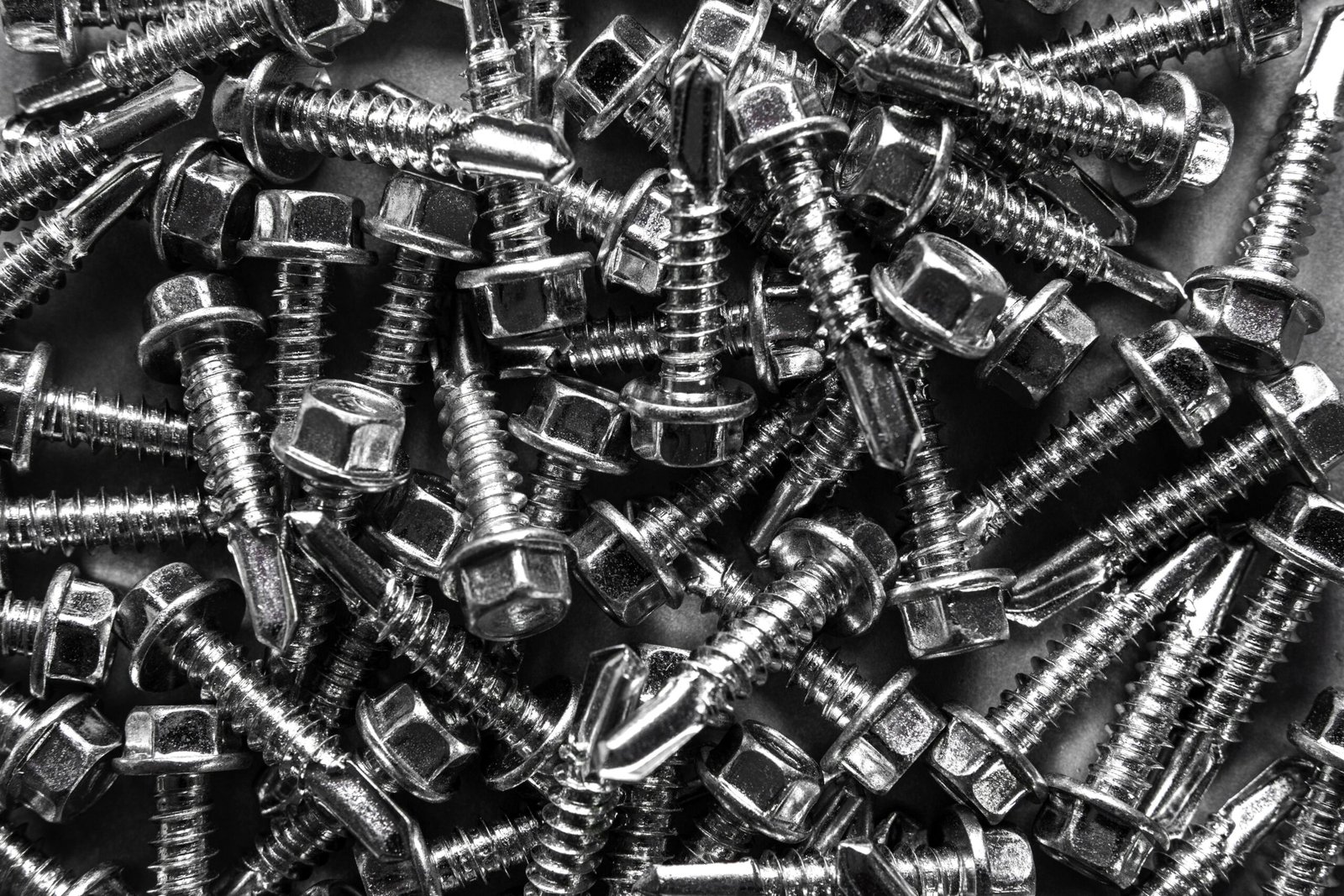
While it’s extremely strong, the biggest weakness of carbon steel is its tendency to rust if it’s exposed to moisture. To prevent this, carbon steel screws tend to be coated in different finishes. The most common one is zinc plating, which gives it a shiny, silver look and works for indoor use. However, for outdoor or extreme US weather, the recommended finish for carbon steel screws is hot-dip galvanizing, which will protect it for decades to come due to the thick zinc coat it’s subjected to.
The other options include black phosphate or fluoropolymer finishes, such as Xylan, which also offer chemical resistance. With the right finish, you can be sure your carbon steel screws will remain strong and secure, even in damp or wet environments
Sourcing for the American Market: ASTM Standards
Quality assurance is not something you can compromise on in the US industrial sector. All high-quality carbon steel fasteners must be made in accordance with the standards set by the American Society for Testing Materials (ASTM). The standards for the hardware, such as the ASTM A307 standard for low carbon steel bolts or the ASTM A325 standard for structural steel bolts, clearly indicate the chemical or mechanical properties the hardware must possess. When you ensure the quality of your carbon steel fasteners meets the international standards, you also ensure your building meets the local building codes.
Internal Comparison: Carbon Steel vs. Brass
While carbon steel is the king of strength, other materials have their own uses. For example, if you need electrical conductivity or superior corrosion resistance without the need for extreme tensile strength, you might want to look into the advantages offered by a brass fasteners supplier for your needs. However, for the main structural frame where the need for load-bearing is the primary concern, carbon steel fasteners remain the only choice for American contractors.
Custom Fabrication and the Role of Specialized Engineering
In the rapidly changing US manufacturing industry, off-the-shelf solutions may not always provide the level of customization that is required for complex machinery or unique architectural elements. The professional carbon steel fasteners manufacturer, therefore, offers the advantage of custom fabrication, which enables the use of unique thread pitches, customized head shapes, and lengths that conform to the precise blueprints of the project. By using the most advanced technology in CNC machining and cold heading, the specialized carbon steel fasteners manufacturer ensures that the customized fasteners enjoy the same level of load-bearing certifications as the off-the-shelf solutions, thus enabling the US engineer to take the industry to the next level of innovation.
Industrial Applications in the USA
From the oil and gas fields of Texas to the aerospace industries of Washington, carbon steel fasteners can be found anywhere. In the oil and gas industry, carbon steel fasteners are used to secure pipelines and valves, which operate under high pressure. In the construction of skyscrapers, high-strength carbon steel fasteners are required to connect massive steel beams. The reliability and cost-effectiveness of carbon steel fasteners over exotic materials such as titanium or Inconel make them the most viable option for the oil and gas industries in the United States.
Final Thoughts on Sourcing Quality
In summary, the success of your assembly depends on the quality of the hardware you choose to use. Getting your carbon steel fasteners from a reputable manufacturer will guarantee you get the right-graded material for your application, heat-treated and coated to meet your environment’s demands. As the needs of industries change and grow, carbon steel fasteners remain the material of choice to build a safer and more durable future.
Tags :
example, category, and, terms