in

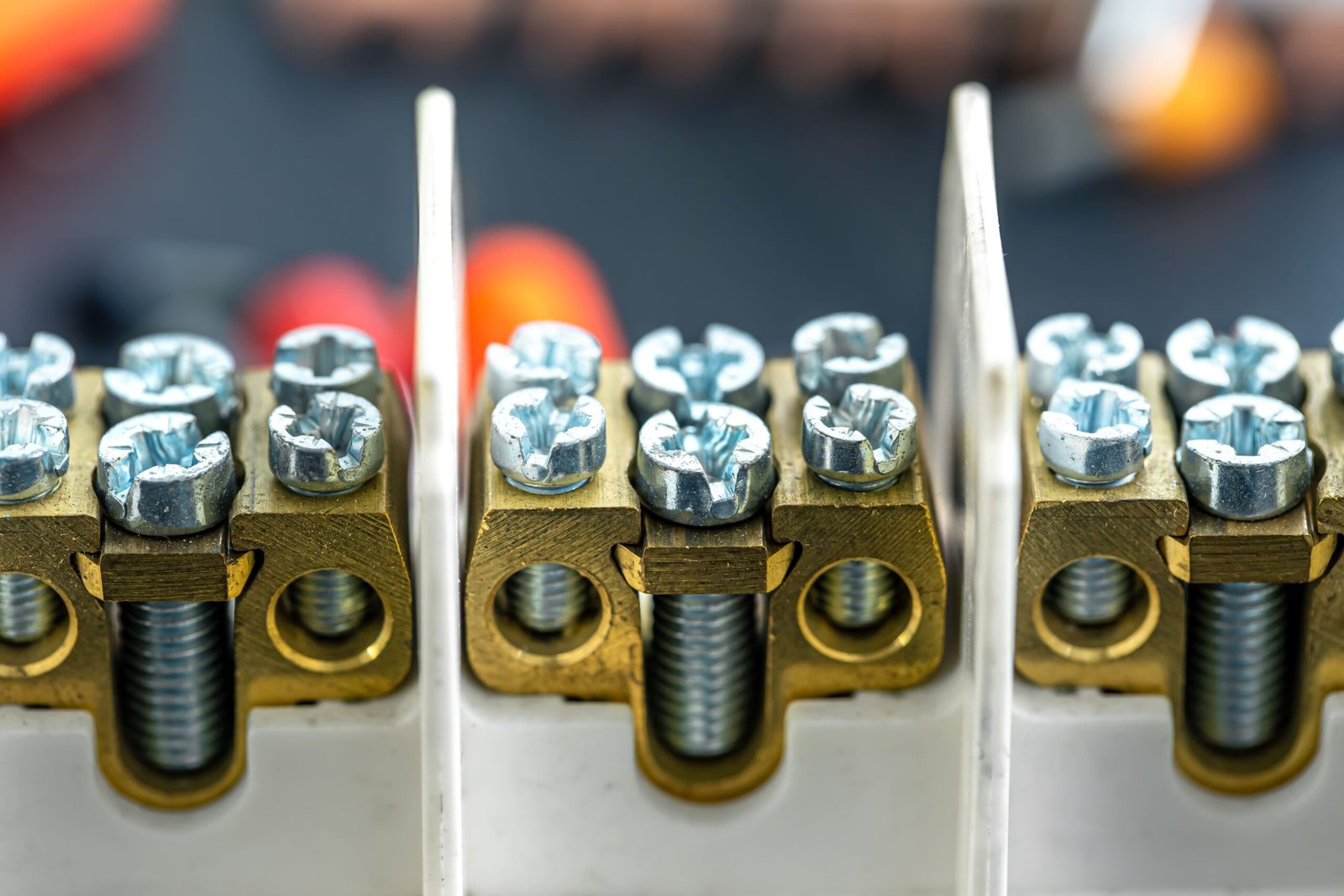
High Tensile Fasteners: Driving Strength and Precision in Modern Applications
High tensile fasteners have been a vital feature of modern engineering, helping in the creation of systems that need to exhibit strength as well as precision. Such fasteners have been specifically developed to withstand high levels of tensile stress without failing. Thus, these fasteners have assumed considerable importance in those industries that need to exhibit such high standards of performance. With the advent of more technologically advanced systems in these industries, the importance of high tensile fasteners has grown.
Material Engineering and Mechanical Excellence
The high tensile strength of the fasteners is due to the high-level material engineering used in the manufacture of the fasteners. The material used is generally high-strength alloy steel, which is then subject to various heat treatments to enhance the material properties. This way, the material is able to withstand various static as well as dynamic forces.
The high tensile strength of the material ensures that the high tensile fasteners are able to withstand high pressure as well. The ability of the material to withstand pressure is what makes the high tensile fasteners the best choice for various applications. The high-level material engineering is what makes the high tensile fasteners different from the rest.
Ensuring Structural Stability in Complex Systems
In contemporary infrastructure and industrial systems, ensuring stability in structures is a complex challenge. High tensile fasteners are vital in ensuring that different components are securely connected in any system. This may include a complex industrial system or a machine, where high tensile fasteners are used to provide stability.
The fact that high tensile fasteners are capable of handling changing conditions makes them very efficient in complex environments where conditions are always changing. By ensuring strong and secure connections, high tensile fasteners are vital in providing a sense of reliability in a system, especially where failure would result in serious consequences.
Contribution to Modern Manufacturing Practices
High tensile fasteners have impacted the current manufacturing processes in the sense that it is possible to design the processes in a much more streamlined manner. It is possible to reduce the number of fasteners required because of their high tensile strength.
In the context of automated manufacturing processes, it is important to ensure the processes are consistent. High tensile fasteners ensure this requirement is met. They can be relied upon to ensure the processes operate smoothly.
Performance in High-Stress and Dynamic Environments
A majority of industrial uses face high-stress and dynamic environments in which components are exposed to constant movement, vibration, and impact. High tensile fasteners are designed to operate effectively in these environments by maintaining their strength and stability.
High tensile fasteners are particularly useful in environments in which there is a high possibility of fatigue due to constant loading cycles. By effectively coping with these cycles without any adverse effects, high tensile fasteners can prevent system failure and increase system lifespan. These are particularly useful in industries such as transport, machinery, and energy production.
Enhancing Safety Across Applications
Safety is a major factor in every engineering solution, and high tensile fasteners have a major role to play in this regard. Their strength and dependability minimize the risk of joint failure, which can cause accidents or system failures. In industries such as construction, automobiles, and aviation, the use of high tensile fasteners is vital for achieving safety standards.
These fasteners are made to function optimally in the most adverse of conditions. Their dependability instills confidence in engineers, which is vital for the success of a project.
Resistance to Environmental Challenges
High tensile fasteners are subjected to harsh conditions such as moisture, temperature fluctuations, and corrosive materials. In order to overcome these difficulties faced by high tensile fasteners, protective coatings are provided for fasteners. This helps them withstand harsh conditions and provides them with resistance to corrosion and wear.
By providing resistance to damage from harsh conditions, high tensile fasteners are able to provide longer working life for the system. This is particularly important for industries such as marine, oil and gas, and chemical processing.
Innovation and Future Trends
The field of fastening technology is constantly changing and developing, and research is being carried out to improve the capabilities of high tensile fasteners. Advances in materials science are allowing for new materials to be created that have greater strength and durability. This is allowing for the increasing needs of modern engineering to be met.
Furthermore, the use of smart technologies is also allowing for new opportunities to be made in fastening systems. The use of sensors in fasteners is allowing for real-time information to be collected regarding stress and loading conditions. This is a major step forward in ensuring the reliability of fastening systems.
Economic Value and Long-Term Benefits
It is true that high tensile fasteners are more expensive than standard fasteners. However, the advantages that high tensile fasteners provide make them cost-effective in the long run. The durability that high tensile fasteners provide also means that the cost of replacement is reduced.
In addition, the reliability that high tensile fasteners provide means that the cost of system failures is also reduced. System failures can prove to be costly in terms of time and resources. Therefore, the use of high tensile fasteners can provide the required efficiency.
Conclusion
High tensile fasteners are a significant feature in modern engineering, owing to the strength, accuracy, and dependability required for modern engineering. The superior material composition of high tensile fasteners, along with the challenges of stress and environmental conditions, has made these fasteners essential in a variety of industries.
As technology continues to evolve, the role of high tensile fasteners in engineering is bound to increase. Their contribution to innovation has made these fasteners a significant feature in the development of future engineering solutions.
Tags :
example, category, and, terms