in

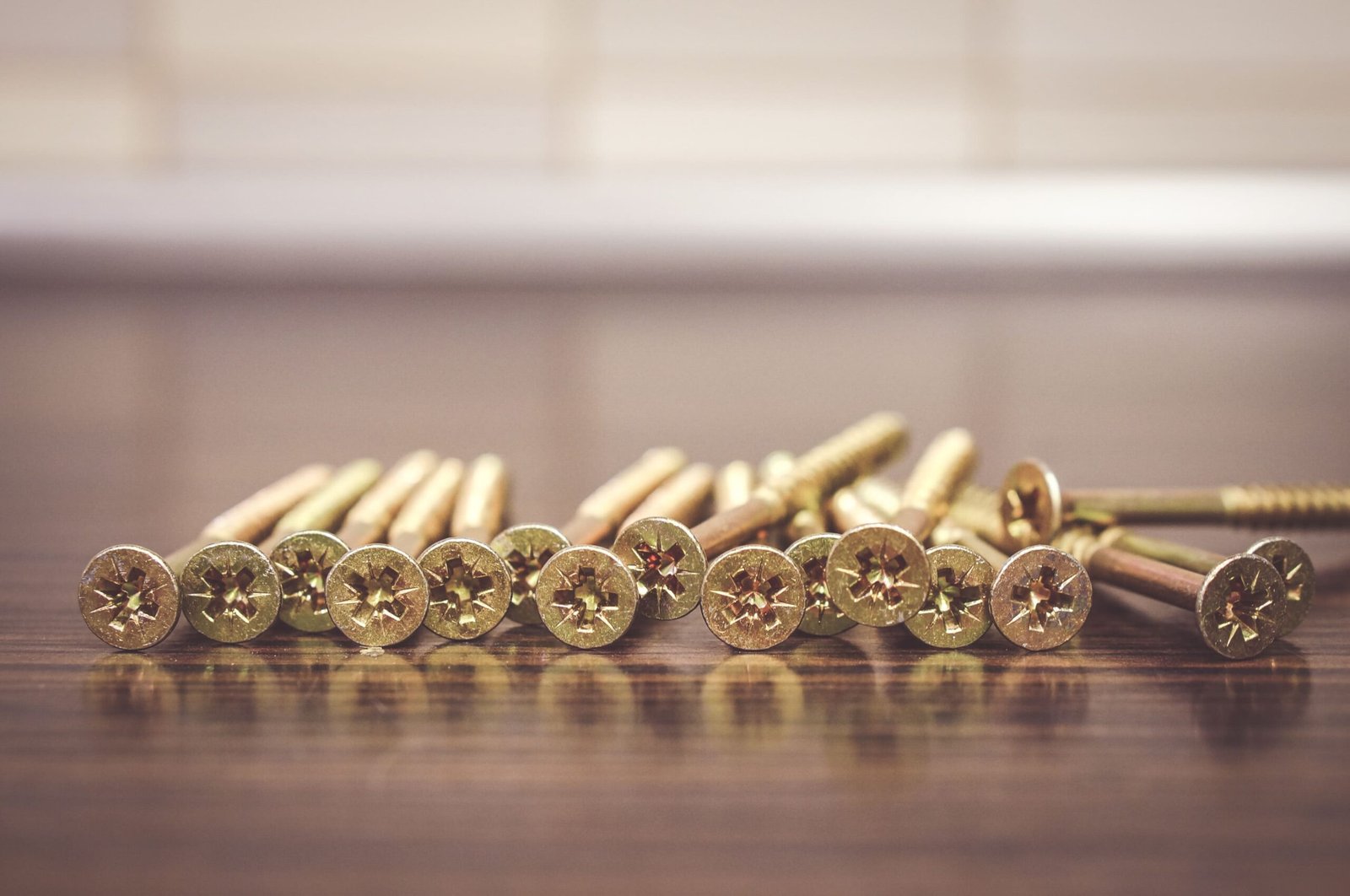
Why Top US Industries Choose Brass Fasteners: The Ultimate Guide to Corrosion Resistance and Conductivity
The industrial scene of the USA has a vast array of mechanical components that are essential for the integrity of structures. Among such components, fasteners are considered to be the primary foundation of assembly for industries that range from automotive to sophisticated electronics. Stainless steel and carbon steel are the primary materials of construction for general purposes. However, brass fasteners have created a specialized and essential segment of the industry. Industries of the USA are increasingly recognizing the use of brass fasteners not only for their appearance but also for their unique physical characteristics. The requirement of a specialized brass fasteners supplier arises from the necessity of components that are able to withstand harsh conditions while providing technical benefits.
Our brass components are manufactured to meet the rigorous physical and chemical requirements set by the American Society for Testing and Materials (ASTM). Adhering to these international standards ensures that every fastener provides the reliability and safety expected in heavy-duty US industrial applications.
To ensure your specific project requirements are met with the highest quality materials, it is essential to partner with a trusted industry expert. You can contact us today to discuss your bulk requirements and receive a customized quote for your industrial needs.
Understanding the Material Composition of Industrial Brass
In order to understand the reasons for brass being the material of choice for industrial needs in the US, it is important to first look at the chemical composition of brass. Brass is essentially composed of copper and zinc, though the proportion of the two elements can be varied to obtain different grades of brass, each suited for different mechanical needs. In some high-tensile brass grades, small amounts of other elements such as lead, tin, or aluminum are also added to the alloy to make it easier to machine or to obtain higher corrosion resistance.
This allows the brass fasteners supplier to deliver products that meet the high standards set by the American Society for Testing and Materials, thus providing the end-user with a product that provides the best compromise between the high strength of steel and the special environmental resistances offered by copper.
Why a Brass Fasteners Supplier Prioritizes Corrosion Resistance for US Infrastructure
One of the main reasons why brass fasteners have become the norm in the US is that they offer superior resistance to corrosion. Unlike iron-based fasteners, brass does not rust. While it is exposed to moisture and oxygen, it does not succumb to the oxidation reaction, which ultimately leads to the failure of iron-based fasteners. Instead, the brass develops a patina, which is actually a layer of oxidation. This oxidation layer protects the fastener from any further corrosion. In the coastal areas of the US, brass fasteners are the gold standard. They offer superior performance even in the salt-laden environment. They do not lose their threads over the years, ensuring that the fastened parts remain secure.
How Your Brass Fasteners Supplier Supports the US Tech and Electrical Sectors
The United States is a world leader in the field of electrical engineering and telecommunications. This field not only needs fasteners to hold things together, but also needs fasteners to facilitate the flow of electricity. Brass is a good conductor of electricity and is second only to silver and copper. Brass is much stronger and more durable than copper. Brass is the best material for electrical terminals, switchgear, and circuit board stand-offs. Brass is the preferred fastener material for electrical engineering and telecommunications. This is because it has the least amount of electrical resistance. This ensures the fastener does not get hot and also increases the efficiency of the system.
Choosing a reliable brass fasteners supplier involves more than just comparing prices. For US-based manufacturers, the right brass fasteners supplier must provide certification for material purity and thread precision. When you partner with a global brass fasteners supplier, you ensure that your production line remains consistent and high-performing.
Non-Magnetic Properties for Sensitive Medical and Scientific Equipment
In the areas of medical imaging and scientific research, the use of magnetic fields can interfere with very sensitive equipment. Steel fasteners, which are naturally ferromagnetic, can interfere with the results of an MRI scan or the precise calibration of scientific equipment. Brass is naturally non-magnetic. This is one of the major reasons why the US health care manufacturing industry is one of the biggest consumers of brass fasteners. By using non-magnetic fasteners, manufacturers can rest assured that their equipment will function with total precision. By purchasing fasteners from a reputable brass fasteners supplier, manufacturers know they will not have any problems with magnetic interference in their diagnostic equipment.
Machinability and Precision in US Manufacturing
The efficiency of the manufacturing process is one of the pillars of American success. Brass is well-known for its superior machinability when compared to stainless steel or titanium. It can be cut, threaded, and machined at incredibly high speeds with minimal tool wear. Such a characteristic facilitates the creation of highly intricate fastener designs with tolerances that are incredibly tight. In the case of American manufacturers, this means a reduction in production costs and a faster production rate. It may be a specially designed miniature screw for a consumer electronics device or a large-sized bolt for a valve assembly-brass’s machinability guarantees a high-quality finish and performance over thousands of pieces.
Precision in manufacturing is only possible when working with a specialized brass fasteners supplier who understands tight tolerances
Thermal Conductivity and Heat Dissipation Benefits
Apart from the electrical conductivity of brass, another significant characteristic of the metal is its high thermal conductivity. In high-performance machines and devices, the buildup of heat is a major concern. It may cause fatigue of the materials of the machine or even cause it to break down completely. Brass fasteners play a significant role in the passive dissipation of heat from a mechanical system.
It conducts the heat from the inner components of the system and distributes it to the outer components of the system. It acts like a heat sink for the system. In the US, there are many industries related to automobiles and airplanes. In such machines, there are many components that are affected by extreme changes in temperature.
The Aesthetic Value and Architectural Applications
Whereas functionality is the main concern in the case of heavy industries, the aesthetic qualities of brass cannot be ignored in the context of the US market for architecture and consumer goods. Brass has a golden finish by nature, and such a finish is synonymous with quality and luxury. Luxury furniture manufacturers, architects, and appliance manufacturers usually include brass fasteners as part of the design.
With the passage of time, the aging of the material also gives it a classic look, which is highly sought after in the context of both traditional and contemporary American architecture. Brass is also easy to polish and can be coated with chrome or nickel to give the designer a wide range of options while ensuring the physical properties of the material.
Sourcing from a Reliable Brass Fasteners Supplier for Quality Assurance
With American companies, the reliability of the supply chain is just as important as the quality of the metal. Selecting the right brass fastener supplier is a strategic decision for the entire lifecycle of the project. A quality supplier guarantees the chemical properties of the alloy meet the needs of specific industries, such as the free-cutting quality of the alloy C36000. This is particularly important to avoid potential problems such as “dezincification,” or corrosion in water where the zinc is leached out of the alloy. By working with a seasoned fastener supplier, US companies can count on the expertise and availability of both standard and custom fasteners to keep their production lines running without unnecessary downtime.
Environmental Sustainability and the Circular Economy
Sustainability has become a significant issue for US industrial leaders. Brass is a highly sustainable product since it has a recyclability rate of almost 100%. It has been found that the process of recycling brass consumes a lot less energy than producing new brass from ore. In fact, a majority of the brass fasteners that are being used today in the US are made from recycled scrap metal. This promotes a circular economy that helps industries go green and comply with environmental regulations.
Brass has a high scrap value, which provides a financial motive for a recycling program within industries. Therefore, by choosing brass, a company is making a decision that is beneficial for their bottom line and the environment.
The sustainability of your supply chain depends on selecting a brass fasteners supplier that utilizes high-quality recycled alloys.
Custom Solutions and Specialized Grade Selection for American Projects
Every industrial project undertaken within the United States has its own set of mechanical stresses and environmental conditions, which is why a universal approach to hardware does not work. A professional brass fasteners supplier does not simply deliver products; they also serve as a consultant for engineers who need to make sure they are getting the precise level of brass, whether it is Silicon Brass for high-strength naval vessel projects or Naval Brass for superior resistance to dezincification.
By offering lengths, heads, and thread pitches that are custom-tailored to a specific need, a dedicated brass fasteners supplier makes sure that even the most complex American aerospace or automotive prototype makes a smooth transition from design to production without compromising on structural integrity.
Strategic Importance in the American Aerospace and Marine Sectors
The USA has some of the most advanced equipment in the world when it comes to aeronautics and marine operations. In such environments, a fastening material could literally mean the difference between life and death. In marine engineering, the ability of brass to repel the growth of algae and barnacles is a standout feature of the material. Brass and related alloys such as bronze are critical components of oil rigs and naval vessels. In the aeronautics industry, the weight-to-strength ratio of brass and the spark-proof feature of the material make it a critical component of fuel tanks.
The flexibility of brass means it is a component of every important engineering company in America, a testament to the fact that despite the emergence of new composite materials, the fundamental properties of brass are unmatched for the purpose of solving a problem of industrial concern.
Long-Term Cost Efficiency and Infrastructure Longevity
While the cost of the purchase is always a consideration for the purchasing departments of US-based companies, the total cost of ownership is where the real benefit of a premium brass fasteners supplier comes into play. Steel-based fasteners may be cheaper to purchase in the first place, but the cost of labor required to replace rusted or seized bolts and nuts in outdoor equipment can be exorbitant.
Since brass-based fasteners do not have the “freezing” effect of oxidation, maintenance personnel in the US can disassemble equipment as needed without issue, even years down the road from the original installation. This is the real cost savings provided by a high-quality brass fasteners supplier.
Advanced Quality Control and Compliance for Global Supply Chains
In an age in which transparency within the supply chain is not only a legal and business imperative but also a necessary component of day-to-day business, a certified brass fasteners supplier is no longer a choice but a necessary standard for corporations within the US of America. For instance, contemporary quality control departments employ not only XRF testing but also tensile strength tests to guarantee that every batch of fasteners meets the stringent chemistry demands of the end-user of the product.
A global brass fasteners supplier is one that offers not only the highest degree of transparency in terms of documentation-from heat numbers of the raw material to dimension reports-but also provides the necessary peace of mind for corporations within America to be competitive on a global stage and contribute to a safer, more efficient, and effective workplace for the American workforce.
In summary, finding the right brass fasteners supplier is the first step toward long-term structural reliability in any industrial application.
Tags :
example, category, and, terms